Top Mistakes to Avoid When Working with SCH 40 PVC Fittings
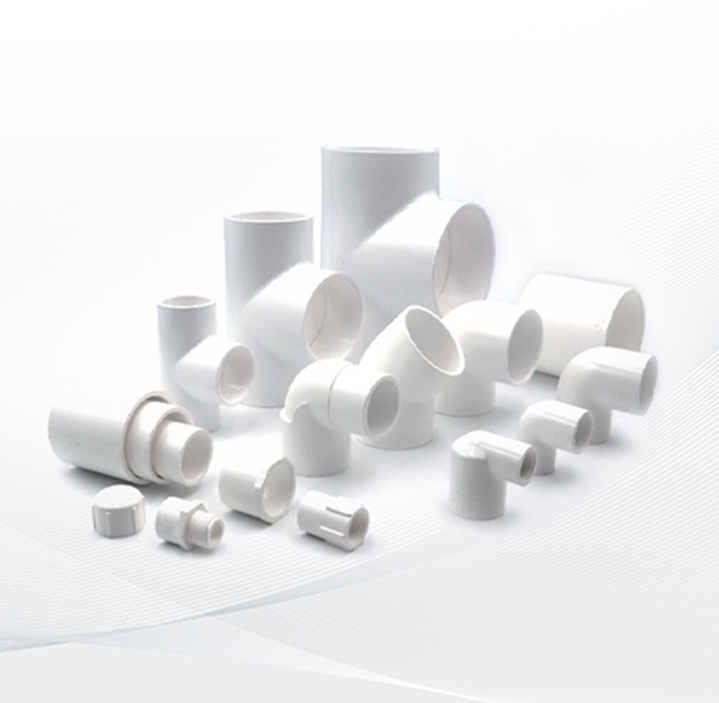
Working with SCH 40 PVC fittings may seem straightforward, but even experienced contractors and engineers can encounter issues if certain best practices aren’t followed. These fittings are widely used for residential and commercial plumbing, irrigation, and low-pressure systems, and correct installation is key to ensuring long-term performance. LESSO America provides high-quality SCH 40 PVC fittings and encourages professionals to avoid a few common mistakes that can compromise system reliability.
Mistake 1: Skipping Proper Surface Preparation
Rushing through installation without deburring or cleaning pipe ends can lead to weak joints. Dirt, burrs, or moisture may interfere with the bonding process. For a secure connection, always clean and dry the mating surfaces, and remove any rough edges before applying primer and cement.
Mistake 2: Using the Wrong Type of Cement or Primer
Not all solvent cements are suitable for SCH 40 PVC fittings. Using the wrong product can result in incomplete bonding or even joint failure. LESSO America recommends using cement and primer that meet ASTM standards and are compatible with the pipe and fittings being used.
Mistake 3: Overlooking Curing Time
Pressurizing a system before the cement fully cures is another frequent issue. Cure time varies based on temperature and pipe size, and ignoring this step can lead to leaks or cracks. Always consult the product guidelines and wait the recommended time before turning on water or applying pressure.
Mistake 4: Incorrect Fitting Selection
Using fittings not rated for the intended pressure or temperature can cause long-term issues. LESSO America offers a full line of SCH 40 PVC fittings designed for specific applications, and selecting the right type ensures compatibility and durability.
Conclusion
Avoiding these mistakes during installation can help prevent future repairs and system downtime. By choosing SCH 40 PVC fittings from LESSO America and applying proper techniques, contractors and engineers can build systems that perform reliably for years to come.